


double glazing vs triple glazing: 7 Key Differences
- 02 July 2021
- Blog
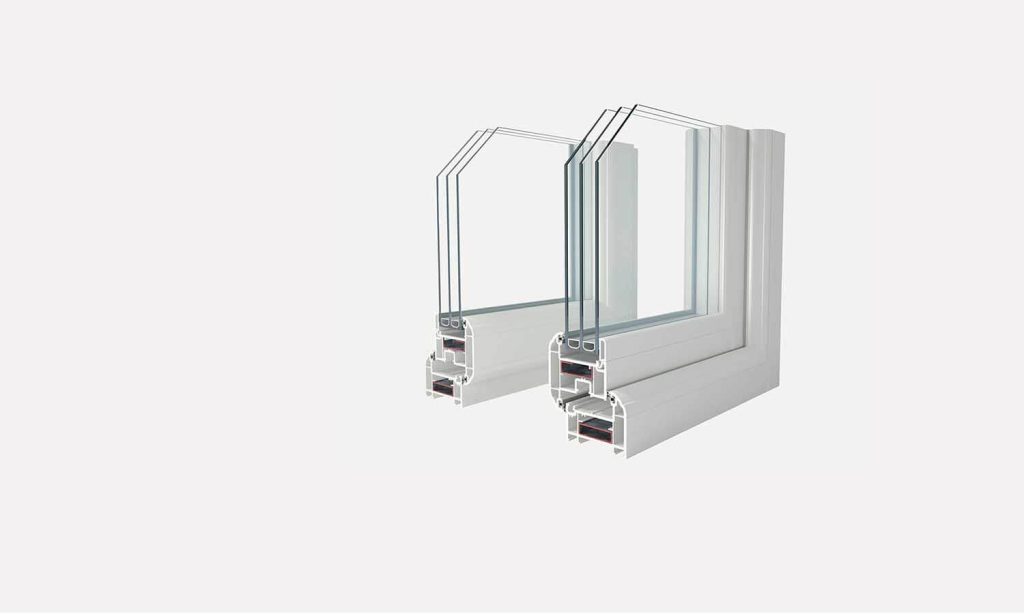
The main difference between double and triple glazing is their construction: double glazing contains two panes of glass and one sealed cavity, while triple glazing contains three panes and two sealed cavities.
That additional pane and cavity can improve thermal insulation compared with an equivalent double-glazed system. However, choosing the right windows also means considering cost, noise reduction, frame compatibility and the performance of the complete window.
At Droylsden Glass, our Best-in-Class A++21 Rated triple glazing is available in selected window configurations, offering an energy-efficient option for homeowners in Manchester and the surrounding areas.
Below, we explain seven key differences between double and triple glazing to help you decide which option suits your home.
Triple Glazing vs Double Glazing at a Glance
| Feature | Double Glazing | Triple Glazing |
| Glass panes | Two | Three |
| Sealed cavities | One | Two |
| Thermal performance | Can provide excellent insulation with the right specification | Can offer enhanced insulation compared with an equivalent double-glazed system |
| Window Energy Rating | Depends on the complete window configuration | Selected Droylsden Glass configurations achieve A++21 |
| Initial cost | Usually lower for a comparable window | Usually higher for a comparable window |
| Noise reduction | Depends on the acoustic specification and installation | Also depends on the specification; an extra pane does not automatically mean better noise reduction |
| Weight | Usually lighter | Usually heavier, requiring compatible frames and hardware |
| Condensation | Can reduce room-side condensation compared with less efficient windows | Can further reduce its likelihood where the inner glass stays warmer |
| Security | Depends on glass, frames, locks and installation | Also depends on the complete window system |
1. Glass Panes and Sealed Cavities
Double glazing consists of two panes of glass separated by a sealed cavity. Triple glazing adds a third pane and a second cavity.
These cavities are often filled with an insulating gas, such as argon, to help limit heat transfer. Low-emissivity coatings and suitable spacer bars also contribute to thermal performance.
The frame matters too. A high-performing glazed unit needs to work with a suitable frame and effective seals to deliver the intended result.
When comparing quotations, look at the complete window specification rather than the number of panes alone.
2. Thermal Performance and Energy Ratings
Triple glazing can provide improved thermal insulation compared with an otherwise equivalent double-glazed system. This can help reduce heat loss and make rooms feel more comfortable during colder weather.
There are two useful measures to consider when comparing windows: U-values and Window Energy Ratings.
What Does a U-value Tell You?
A U-value measures how readily heat passes through a material or component. A lower value means better insulation.
Check whether the figure refers to the glazing alone or the complete window:
- Ug: the U-value of the glazing.
- Uw: the U-value of the whole window, including its frame.
Compare equivalent whole-window figures wherever possible. A glazing-only value does not describe the performance of the complete window.
Best-in-Class A++21 Rated Triple Glazing
Selected triple-glazed windows from Droylsden Glass achieve an A++21 Window Energy Rating.
Window Energy Ratings assess overall energy performance, including heat loss, solar heat gain and air leakage. They provide a different measure from U-values, which focus on heat transfer.
Our team will confirm whether A++21 is available for your chosen style and specification. The rating applies to the relevant complete window configuration, rather than to every triple-glazed unit.
3. Upfront Cost and Value
Triple glazing usually has a higher initial cost than otherwise comparable double glazing because it uses additional glass and materials.
The final price also depends on:
- The number and dimensions of the windows.
- Frame material and opening style.
- Glass specification.
- Colours, finishes and hardware.
- Installation and finishing requirements.
Compare quotations for the same scope of work so you can understand the additional cost and the performance offered.
Potential energy savings depend on your existing windows, your home’s insulation, heating habits and energy prices. There is no single payback period that applies to every property.
If you are replacing old or inefficient windows, the improvement may be more noticeable than when replacing modern double glazing that already performs well.
4. Noise Reduction and Acoustic Performance
Triple glazing does not automatically provide better noise reduction than double glazing.
The result depends on glass thickness, the combination of panes, cavity spacing, acoustic laminated glass, seals and installation.
A double-glazed unit designed for noise reduction may outperform a standard triple-glazed unit. If outside noise is your main concern, ask for acoustic performance information for the proposed windows.
Acoustic laminated glass uses an interlayer designed to help reduce sound transmission. Depending on the window system, it can be incorporated into double or triple glazing.
For more detailed advice, read our guide to triple glazing vs acoustic glazing.
5. Weight and Frame Compatibility
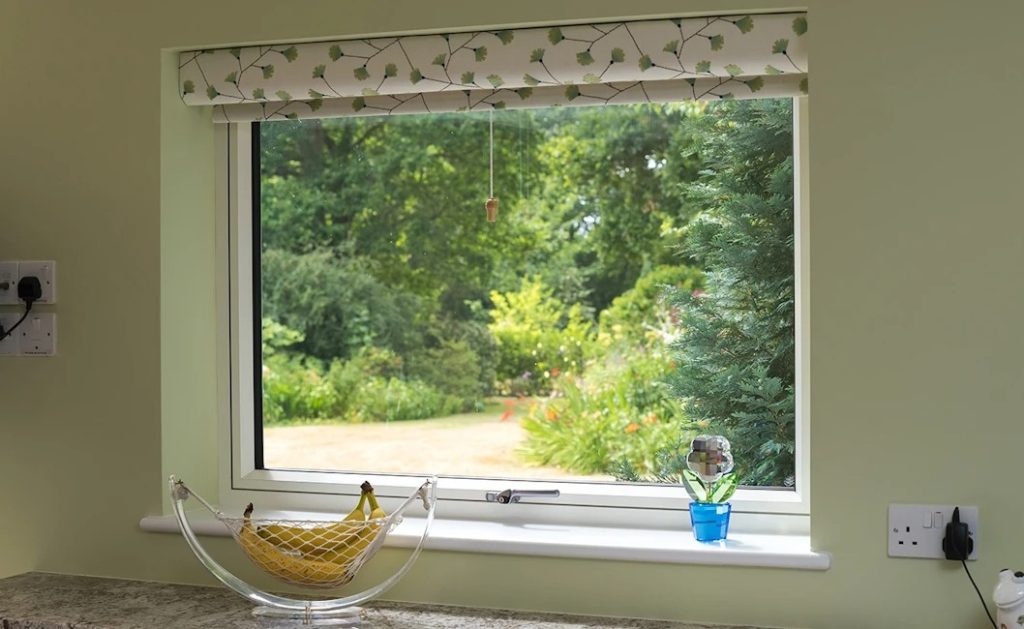
Triple-glazed units are generally heavier than comparable double-glazed units because they contain an additional pane.
Frames, hinges and other hardware must be suitable for this weight and the thickness of the unit. Compatibility is particularly important for large opening windows and glazed doors.
Triple glazing is available across selected uPVC and aluminium systems from Droylsden Glass. Availability and specifications vary between products.
If you want to upgrade existing double-glazed windows, do not assume the current frames can take triple glazing. A survey can establish whether the glazing rebate, frame and hardware are suitable, or whether complete replacement is needed.
6. Condensation and Indoor Comfort
Condensation forms when moist air meets a sufficiently cold surface.
Energy-efficient glazing can keep the room-facing glass warmer, reducing the likelihood of condensation forming there. Triple glazing may improve this compared with an equivalent double-glazed system.
However, glazing alone cannot resolve every condensation problem. Indoor humidity and ventilation remain important.
The location of moisture can help identify the issue:
- Inside the room: consider humidity, ventilation and glass surface temperature.
- On the outside: condensation can occur under certain weather conditions, including on well-insulated windows.
- Between the panes: misting may indicate a sealed-unit problem that needs assessment.
Warmer internal glass can also improve comfort near the windows, especially when replacing older glazing.
7. Security and Glass Specification
A window’s security depends on more than its pane count.
Glass type, frame construction, locking systems, hardware and installation all contribute to protection. Toughened and laminated glass also have different characteristics and purposes.
When comparing double and triple glazing, ask about the security specification and any relevant testing for the complete window system.
Choosing three panes should not replace checking that the frame, glass and locks meet your requirements.
Should You Choose double glazing or triple glazing?
The right choice depends on your existing windows, priorities and budget.
When Double Glazing May Be Suitable
High-quality double glazing can provide effective insulation and comfort at a lower initial cost than a comparable triple-glazed option.
It may be suitable if you want a practical replacement for older windows while managing your budget. If noise is your main concern, an appropriate acoustic specification may be more valuable than an additional pane.
When Triple Glazing May Be Worth Considering
Triple glazing may be worth considering if thermal performance and winter comfort are priorities.
It can be particularly relevant when replacing inefficient windows or improving rooms that feel cold near the glass. Compare the whole-window performance and additional cost before deciding.
If you are interested in A++21 rated options, ask our team which configurations suit your chosen design.
What If You Want to Retain Your Existing Windows?
Secondary glazing offers a different approach. It adds a separate internal glazed system behind your existing window, allowing the original external window to remain.
Read our secondary glazing vs triple glazing comparison to explore the differences.
Compare Double and Triple Glazing for Your Manchester Home
Droylsden Glass is a family-run business with over 40 years of experience serving homeowners across Manchester, Audenshaw, Bolton, Bury, Buxton, Chester, Glossop, Macclesfield, New Mills, Oldham, Rochdale, Salford, Stockport, Tameside, Trafford, Warrington, Wigan and the Wirral, as well as the wider Greater Manchester, Cheshire and North West areas.
We can help you compare specifications, discuss your priorities and select suitable windows for your property. Explore our double-glazing options or discover our Best-in-Class A++21 Rated triple glazing, available in selected window configurations.
Ready to Discuss Your New Windows?
- Request a tailored quotation: Get a free quote.
- Speak to our team: Call 0161 292 1122.
-
Have a question? Contact us for advice on choosing the right glazing for your home.
- See the options in person: Visit our showroom to explore window styles, colours and finishes.
Related to this post:
4 ways that double or triple glazing helps prevent condensation
Triple Glazing Vs Acoustic Glazing – What are the differences?
Secondary Glazing vs Triple Glazing: Which Is Right for Your Home?
What replacement windows are best for my 1930s home?
How do I stop drafts on windows?

With a wealth of knowledge across design, construction, and fenestration, Kevin provides valuable insight into the factors that influence successful home improvement projects. He shares guidance on windows, doors, conservatories, product innovations, and the latest developments in his articles, helping homeowners make confident and informed choices for their homes.
- 10 Benefits of Triple Glazed Windows You Should Know - August 13, 2026
- Everything You Need to Know Before Buying Triple Glazed Windows - August 13, 2026
- How Triple Glazing Can Dramatically Reduce Heat Loss and Lower Energy Bills - August 13, 2026