


Triple Glazing Vs Acoustic Glazing – What are the differences?
- 03 March 2022
- Blog
Anyone who lives near an airport, a busy main road, or has annoying noisy neighbours may be aware of the effects of noise disruption in their homes. The effects of noise pollution can really affect your quality of life and have even been linked to the risk of dementia later down the line.
If you are experiencing an outside noise in your home, you may be wondering if triple glazing or acoustic glass is the best option.
Let’s look at both choices and see which is best for you and your home.

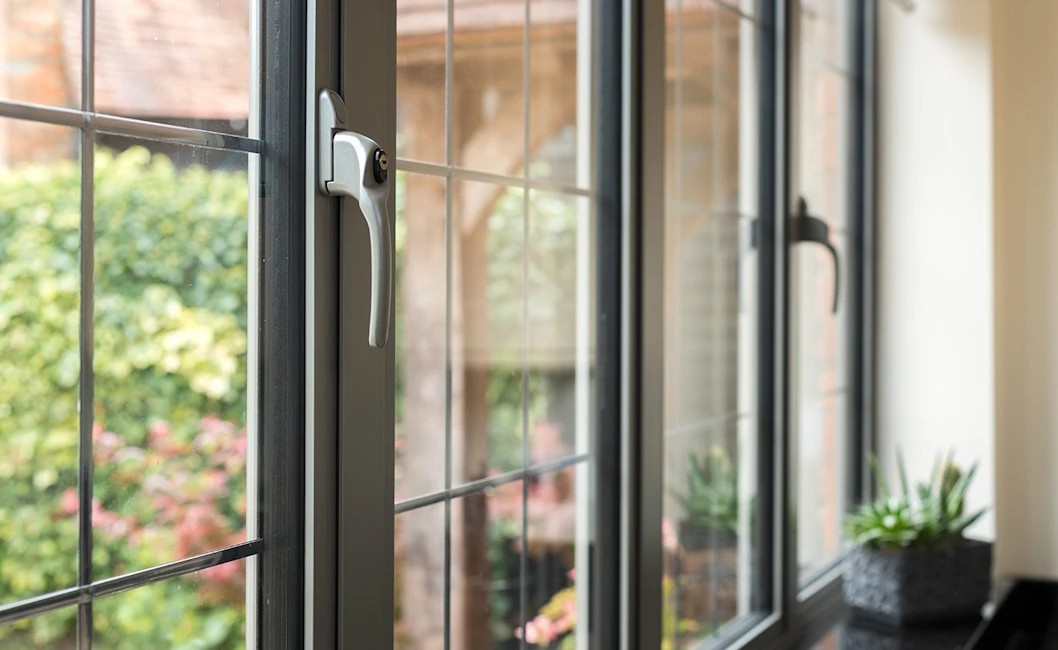
What is Triple Glazing?
Triple glazing comprises three panes of glass separated by two sealed cavities, which are commonly filled with an insulating gas such as argon. The additional pane and second cavity help restrict heat transfer through the window, improving thermal performance and helping rooms retain warmth more effectively.
Triple glazing is specifically designed to improve energy efficiency and indoor comfort. When incorporated into a high-performance window system, it can also provide enhanced security and reduce cold spots near the glass. Its overall performance will depend on the glass specification, cavity widths, spacer bars, frame construction, seals and quality of installation.
The additional pane can also help reduce some outside noise by creating another barrier between the home and the external environment. However, standard triple glazing is primarily designed for thermal insulation rather than specialist acoustic control. Its noise-reducing performance will depend on factors such as the thickness of each pane, differences between the panes, cavity widths and the airtightness of the complete window.
What Is Acoustic Glass?
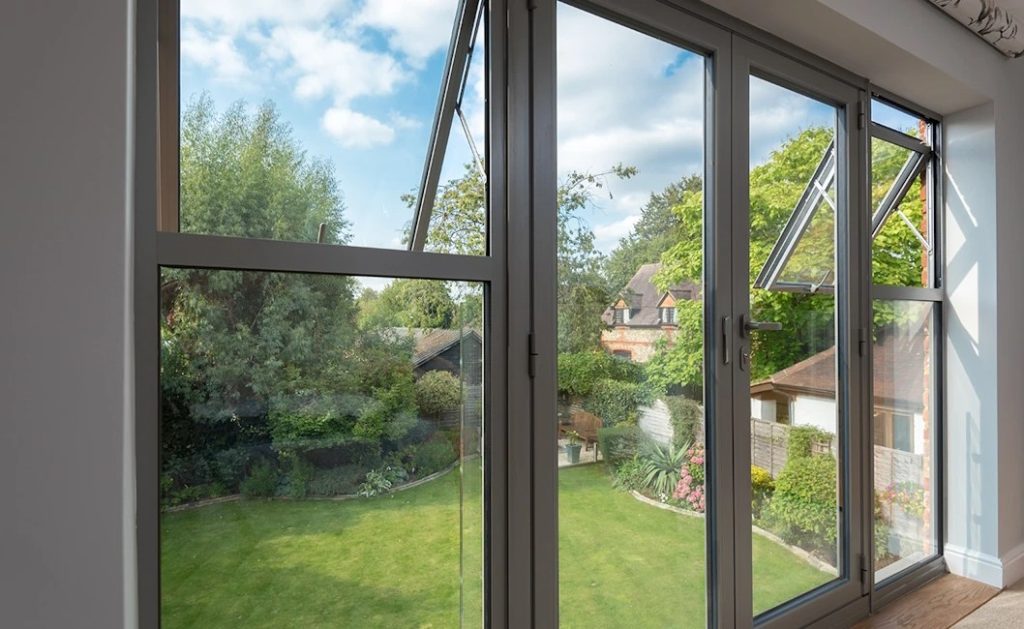
Acoustic glass is specifically designed to reduce the amount of external sound passing through a window. It commonly consists of two sheets of glass bonded together with a specialist acoustic interlayer. This laminated construction absorbs sound energy and dampens vibrations, helping create a quieter and more peaceful indoor environment.
Unlike standard glass, acoustic glazing is engineered primarily with noise reduction in mind. The specialist interlayer helps reduce the vibrations that allow sound to travel through the glass, making it particularly suitable for homes near busy roads, railway lines, airports or other persistent sources of external noise.
Acoustic glass can also provide good thermal performance and increased resistance compared with standard non-laminated glass. When incorporated into a well-designed window system, it can help improve indoor comfort while providing an additional layer of security and protection.
Does Triple Glazing Reduce Noise?
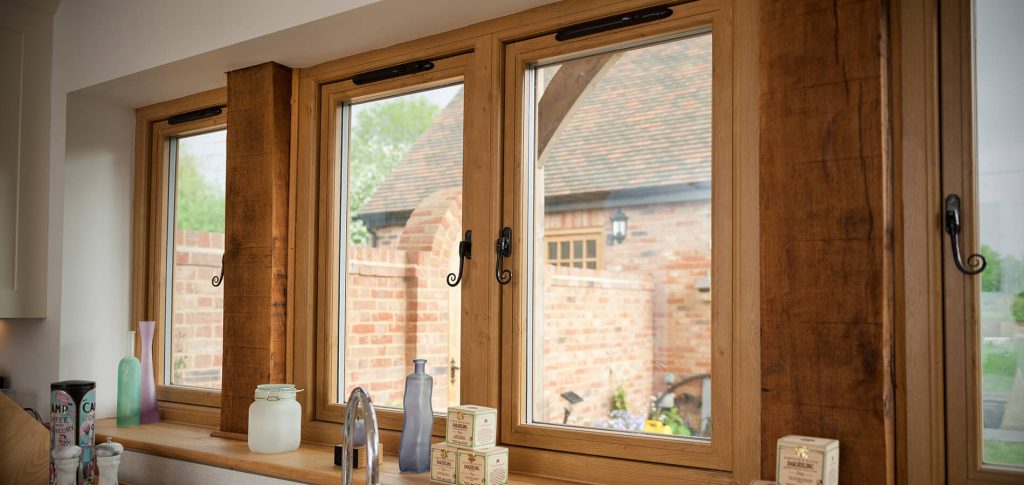
Do triple glazed windows reduce noise? Yes, triple glazing can reduce outside noise, particularly when it replaces old single glazing, poorly sealed windows or outdated double glazing. However, the level of improvement depends on the complete window specification rather than simply the presence of a third pane.
Factors affecting triple glazing noise reduction include:
- The thickness of each pane of glass
- Whether different glass thicknesses are used
- The width of the cavities between the panes
- The quality and condition of the window seals
- The construction and airtightness of the frame
- The quality of the installation
- The type and frequency of the external noise
Three identical panes separated by equal cavities may not provide the best acoustic result because sound waves can pass through materials with similar resonant properties. A unit designed with different glass thicknesses and suitable cavity widths may provide better noise reduction.
For moderate neighbourhood or traffic noise, high-performance triple glazing may offer a noticeable improvement. For persistent or disruptive road, railway or aircraft noise, purpose-designed acoustic glazing will normally be more appropriate.
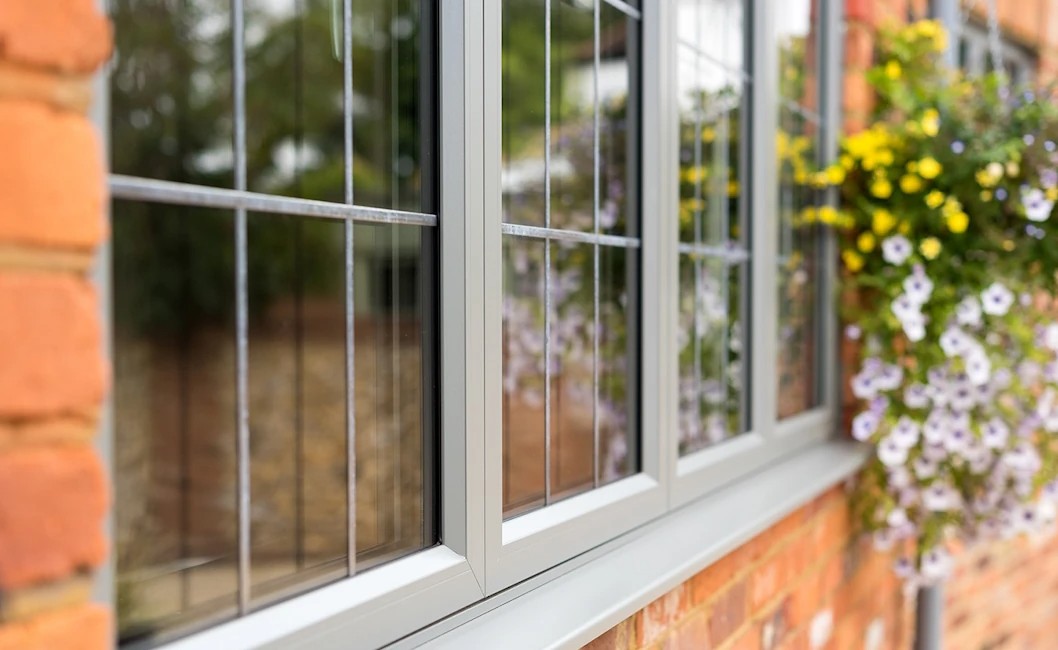
Is Triple Glazing Soundproof?
Triple glazing is not completely soundproof. No window can guarantee the total elimination of every external sound, especially when noise may also enter through walls, roofs, doors, vents and gaps in the building. Triple glazing can make a room quieter, but standard triple glazed units are primarily designed to improve thermal performance. If sound reduction is your main concern, the glazing should be specified around the source and characteristics of the noise affecting your home.
Is Acoustic Glass Better Than Triple Glazing?
Acoustic glass is generally the better choice when reducing disruptive external noise is the main objective. Its laminated construction and sound-dampening interlayer are specifically designed to reduce vibrations passing through the glass.
Triple glazing may be more appropriate when thermal efficiency is the main priority and the property is affected by moderate rather than severe noise. Its additional pane and second cavity can improve insulation while also providing a degree of sound reduction.
The options are not mutually exclusive. In some cases, acoustic laminated glass can be incorporated into a triple glazed unit to provide a combination of thermal and acoustic benefits.
Acoustic Glass vs Triple Glazing for Thermal Efficiency
Triple glazing is principally designed to improve thermal insulation. Its three panes and two sealed cavities help restrict heat transfer through the window, which can make rooms feel warmer and more comfortable.
Acoustic glazing can also deliver strong thermal performance when incorporated into a well-designed double or triple glazed unit. However, acoustic glass itself is selected primarily for its ability to reduce sound transmission.
When comparing quotations, consider the performance of the complete window rather than focusing only on the glass. The frame material, glazing unit, spacer bars, seals and installation all affect the final thermal result.
Triple Glazing vs Acoustic Glass: A Quick Comparison
| Feature | Acoustic Glass | Triple Glazing |
| Noise Reduction Value | 39dB+ | Approximately 37dB |
| Thermal Efficiency | A+10, best in class | A++21 |
| Security and Strength | Increased strength due to additional internal layers | Considerably tougher than double glazing and comparable with acoustic glass |
| Glass Thickness | 6.8–12.8mm | 44mm |
| Primarily Designed For | Noise reduction | Thermal efficiency |
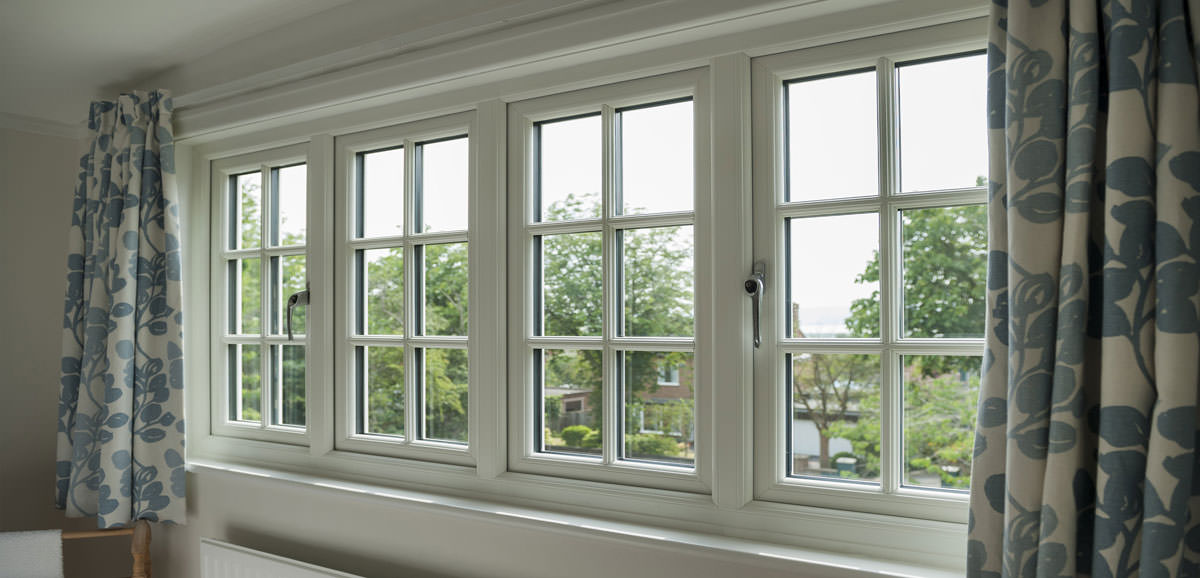
Which Glazing Is Best for Different Types of Noise?
Different noise sources produce different frequencies and sound levels. The table below provides a general guide to the glazing options that may be suitable for different situations.
| Type of Noise | Suggested Glazing | Why It May Be Suitable | Additional Considerations |
| Road Traffic | Acoustic glazing | The laminated interlayer helps dampen vibrations caused by engines, tyres and passing vehicles. | Frames, seals and ventilation openings must also be assessed. |
| Aircraft | Specialist acoustic glazing | It can be specified to reduce a range of sound frequencies associated with aircraft. | Properties beneath flight paths may require a detailed acoustic assessment. |
| Railway | Acoustic glazing | It can help reduce noise from engines, tracks, brakes and warning signals. | Performance will depend on the distance from the railway and level of exposure. |
| Neighbours and Urban Noise | Triple or acoustic glazing | Triple glazing may help with moderate noise, while acoustic glazing provides more targeted sound reduction. | The most suitable option depends on the frequency and intensity of the disturbance. |
Should You Choose Triple Glazing or Acoustic Glazing?
Triple glazing may be the more suitable option if:
- Improving thermal performance is your main priority.
- You want to reduce heat loss and improve indoor comfort.
- The outside noise affecting your property is moderate.
- You want a high-performance replacement window.
Acoustic glazing may be more suitable if:
- Reducing disruptive external noise is your main priority.
- You live near a busy road, railway line or flight path.
- Standard double or triple glazing would not provide sufficient acoustic performance.
- You require a glazing specification designed around a particular source of noise.
Expert Acoustic and Triple Glazing Advice from Droylsden Glass
With more than 40 years of experience improving homes across Greater Manchester and Cheshire, Droylsden Glass can help you choose a glazing specification suited to your property, comfort requirements and the type of external noise affecting your home. Our knowledgeable team will consider the complete window, including the glass, frames, seals and installation requirements, before recommending an appropriate acoustic or triple glazing solution. Visit our Manchester showroom, call us on 0161 292 1122, or request a free, no-obligation quote today.
Related Blogs:
What Are the Top 7 Differences Between Double and Triple Glazing?
4 Way That Double or Triple Glazing Helps Prevent Condensation
How to Prevent the Winter Chill: Secondary Glazing vs Triple Glazing

With a wealth of knowledge across design, construction, and fenestration, Kevin provides valuable insight into the factors that influence successful home improvement projects. He shares guidance on windows, doors, conservatories, product innovations, and the latest developments in his articles, helping homeowners make confident and informed choices for their homes.
- 10 Benefits of Triple Glazed Windows You Should Know - August 13, 2026
- Everything You Need to Know Before Buying Triple Glazed Windows - August 13, 2026
- How Triple Glazing Can Dramatically Reduce Heat Loss and Lower Energy Bills - August 13, 2026